Upgrade Your Outdoor Area: Expert Garden Design Tips for a Gorgeous Home Landscape
Turning an exterior area into a beautiful residential landscape requires thoughtful strategy and deliberate action. By evaluating the features of a yard, homeowners can establish specific landscaping goals. Selecting vegetation that match the regional conditions is essential. Furthermore, incorporating practical hardscaping elements improves both aesthetic value and practical function. Yet, the undertaking doesn't finish there. Finding ways to maintain vibrancy and environmental health can bring any garden higher. What methods ensure lasting results?
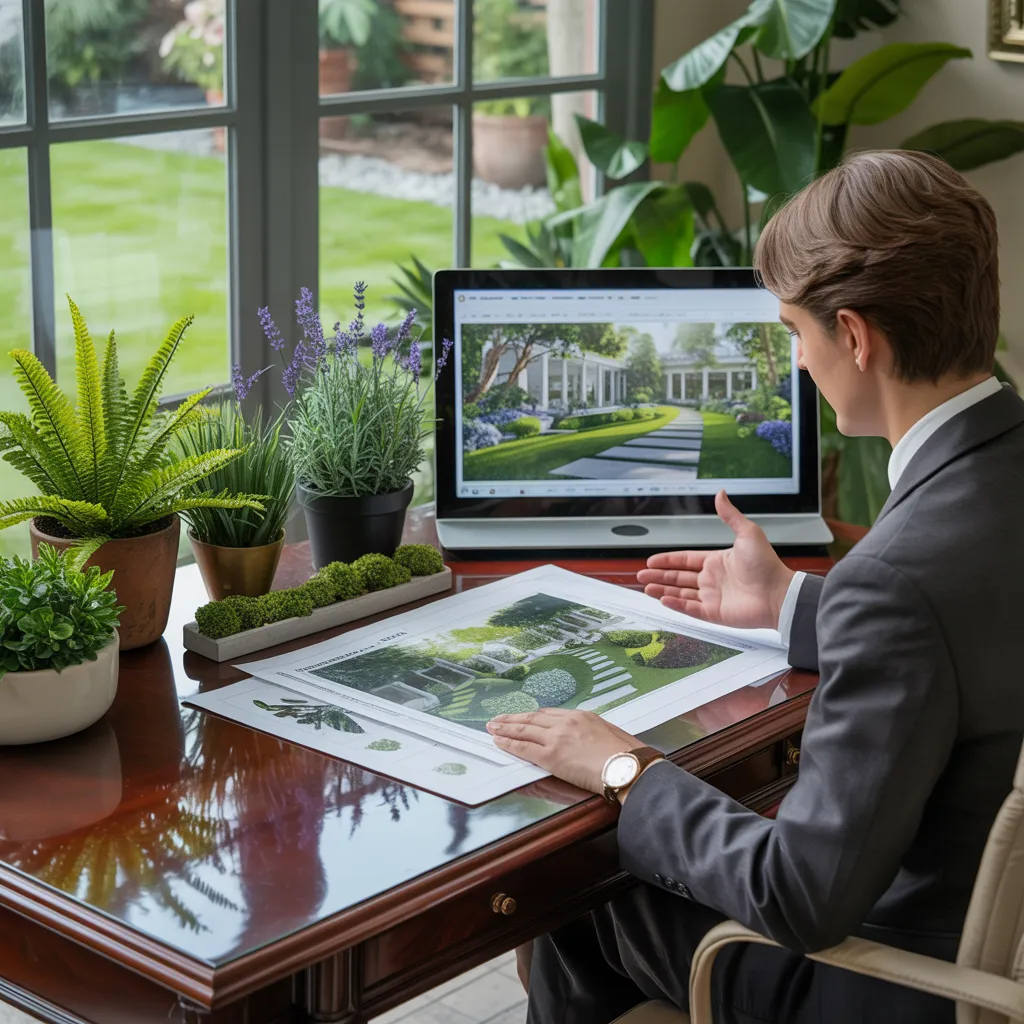
Assess Your Space to Define Your Landscaping Goals
Before launching any garden project, it is important for property owners to thoroughly assess their outdoor environment. This initial evaluation helps them to understand the unique characteristics of their property, including sun exposure, soil composition, and existing vegetation. Identifying these factors helps in deciding which landscape and design features can be effectively integrated into the space.
Homeowners should document dimensions and record any barriers such as vegetation, fences, or walkways that may influence the design. Additionally, recognizing personal preferences and lifestyle needs—including entertainment spaces, plant cultivation, or relaxation—can guide the landscaping goals. By clearly defining these aims, homeowners create a solid foundation for a cohesive and functional outdoor environment. This thoughtful evaluation results in a greater and satisfying garden renovation, guaranteeing the outdoor space improves not only the home's aesthetic but furthermore meets the functional requirements of its inhabitants.
Select the Best Plants for Your Local Climate
Selecting ideal vegetation for a specific climate is critical for establishing a flourishing exterior environment. Grasping regional climate conditions, including heat levels, precipitation, and humidity, helps homeowners select vegetation that will thrive. Native plants typically adjust most effectively, requiring less upkeep and irrigation. As an instance, water-efficient plants are perfect for dry climates, whereas water-preferring plants flourish in moisture-rich environments.
Gardeners should further take into account seasonal changes; choosing vegetation that offers continuous appeal improves the garden. Early bloomers, warm-season vegetation, and vibrant fall foliage can create a dynamic visual experience. Additionally, speaking with neighborhood nurseries or extension services can offer valuable insights into hardy plant varieties suited to particular regions.
Eventually, a well-planned plant selection not only enhances visual appeal but also promotes native fauna and supports ecological health, making it a wise choice for every exterior area renovation.
Transform Your Garden With Functional Hardscaping Components
Functional hardscaping elements play an essential role in defining outdoor spaces and improving their functionality. By incorporating seating areas and carefully planned walkways, homeowners can create inviting environments that encourage relaxation and movement. Additionally, borders can help delineate different zones within the garden, creating organization and visual interest. components in structuring exterior environments and boosting their practical value. By integrating sitting zones and thoughtfully constructed walkways, homeowners can create appealing outdoor areas that encourage leisure and circulation. Additionally, edging can define different zones within the garden, adding structure and visual interest.
Structure Your Outdoor Environment
Creating a thoroughly structured outdoor space can transform a garden into a pleasant sanctuary. One proven method to achieve this is through functional hardscaping elements, which provide organization and arrangement. Pathways made from brick or stone guide visitors while boosting visual appeal. Retaining barriers can establish layered heights, improving the landscape's appearance and preventing soil degradation. Barriers or lattices can establish boundaries, ensuring seclusion and a feeling of containment. Adding elevated planting areas not only defines planting areas but also improves accessibility. These elements operate in harmony to create distinct zones that enhance both aesthetics and functionality. Ultimately, a thoroughly structured outdoor space creates a peaceful setting where homeowners can relax and enjoy nature.
Include Sitting Spaces
Incorporating sitting zones into an outdoor space greatly maximizes its functionality and appeal. By incorporating practical hardscape features, homeowners can create inviting spots for relaxation, socializing, or enjoying nature. Selections range from seating, outdoor furniture, or hanging seats, each contributing to the garden's aesthetic and comfort. Strategically placing seating near focal points, such as flower beds or water features, inspires visitors to interact with their surroundings. Additionally, using materials like stone or wood can complement the garden's design, creating design harmony. Covered areas, such as garden structures or sun shields, deliver relief during summer seasons, making these areas usable year-round. Ultimately, well-designed seating areas transform an ordinary garden into a charming sanctuary for family and friends.
Design Walkways And Edges
Pathways and borders serve as important features in outdoor landscaping, leading people through the garden while elevating its general layout. They produce an atmosphere of arrangement and direction, contributing to the differentiation of multiple spaces and botanical displays. Materials such as stone, brick, or aggregate can be used to create long-lasting walkways, while organic edges made from plants or decorative enclosures can improve aesthetic value. Additionally, pathways can inspire investigation, directing focus to highlights such as planted areas or water elements. Properly designed borders can also stop unwanted plant growth and ground degradation, contributing to garden health. Ultimately, integrating pathways and borders not only increases practicality but also elevates the aesthetic charm of the outdoor space, transforming it into a more attractive and delightful place.
Establish Flow With Pathways and Seating Spots
A thoughtfully designed exterior area regularly showcases a cohesive circulation created through strategically arranged pathways and rest areas. Pathways lead people throughout the garden, developing a strong sense of navigation while improving the aesthetic appeal. Applying selections including gravel, stone, or wood can improve the path's beauty and support durability.
Rest zones offer resting spots, encouraging visitors to stop and enjoy the environment. Placing seating deliberately near highlights, like a water feature or a planted area, promotes engagement with the outdoor setting. Your seating selection—chairs, benches, or even swings—will affect the mood, whether formal or relaxed.
Combining walkways and sitting spaces generates a warm environment, upgrading utility and contentment. In tandem, they construct a smooth flow between distinct areas of the garden, stimulating exploration and rest, ultimately reshaping any exterior setting into a calm escape.
Transform Your Garden With Seasonal Tones and Depth
To improve the aesthetic quality of a landscape, thoughtful choosing of seasonal varieties is critical. Combining various textural qualities can bring dimension and engagement, as well as carefully positioned highlights can capture attention and develop a unified composition. All these aspects combined assure a lively and engaging exterior environment all year long.
Pick Time-Based Plants Deliberately
Choosing seasonal plants with care can turn your garden into a magnificent tapestry of colors and textures. By selecting plants with staggered bloom cycles, gardeners can guarantee a continuous display of beauty. Spring-flowering specimens, summer annuals, autumn perennials, and winter evergreens each deliver unique color palettes and structures to consult this source the landscape. It is vital to remember local climate conditions and soil types, as well as the plants' growth patterns. Native species often thrive better and require less maintenance, enhancing biodiversity. Additionally, combining plants with varying heights and bloom times can establish an eye-catching visual effect. Ultimately, thoughtful selection fosters a landscape that evolves seasonally, offering a delightful experience year-round.
Create Layered Textures To Achieve Depth
Establishing depth in a garden involves layering textures that complement and enhance seasonal color. By incorporating a variety of plants with differing foliage shapes, sizes, and colors, one can create a vibrant landscape design. For instance, blending large-leaved plants with soft grasses can create contrast and intrigue. Additionally, including natural wood, pebbles, and organic components introduces tactile elements that enrich the overall experience. Seasonal blooms ought to be carefully arranged to provide bursts of color throughout the year, ensuring that each layer remains visually interesting. This deliberate composition not only draws the eye across the garden but also fosters an immersive atmosphere where each element reinforces the garden's beauty and equilibrium.
Use Design Anchors Strategically
Artfully positioning focal points can substantially elevate a garden's design appeal and seasonal dynamism. These focal points function as design anchors that command attention and tie the landscape together. Gardeners can utilize elements such as sculptures, ornamental trees, or vibrant flower beds to establish visual interest. Colorful blooms can be woven through the deliberate curation of plants with varying bloom schedules, preserving the garden's energy throughout all seasons. Textural elements also factor significantly; combining smooth stone paths with rough bark or lush foliage provides dimension. By carefully positioning these details, a gardener can construct a hospitable setting that inspires investigation and admiration, transforming an outdoor space into an engaging retreat.
Adopt Eco-Friendly Approaches for a Vibrant Garden
Embracing eco-friendly practices is crucial for developing a healthy garden that excels in balance with the surroundings. Gardeners are encouraged to utilize native plants, which need less irrigation and care while helping regional wildlife. Implementing chemical-free approaches, such as composting and biological pest control, can greatly reduce synthetic chemicals, creating a more robust biological community.
Water-efficient approaches, such as drip irrigation and rain capture, improve environmental responsibility by optimizing resource efficiency. Mulch application conserves soil water additionally prevents weeds, lowering the need for herbicides. Moreover, supporting biological diversity by adding a variety of plants promotes durability against harmful organisms along with pathogens.
Healthy soil is essential; techniques such as sequential planting and cover cropping preserve soil nutrients excluding chemical fertilizers. Through implementing such eco-friendly approaches, horticulturists can develop a thriving garden that nurtures vegetation and the environment, producing a more satisfying gardening pleasure.
Manage Standard Challenges for Year-Round Garden Appeal
A well-kept garden can face multiple challenges during all seasons, altering its total visual appeal as well as condition. Frequent challenges encompass pest infestations, nutrient shortages, plus insufficient water. Recognizing pests early is essential; plant growers should frequently check vegetation for visible harm as well as manage infestations applying chemical-free pesticides or else bringing in helpful insects.
Nutrient shortages frequently manifest as leaf yellowing as well as limited growth. Performing soil analysis can allow determine distinct requirements, allowing for precise fertilization to return stability. Also, guaranteeing correct watering is important; over-irrigation can cause rotted roots, while too little water strains plant life.
Changes in seasons moreover call for modifications to plant care. Throughout winter, applying mulch safeguards root systems against ice, whereas summer can demand additional water as well as partial shade for sensitive plants. By handling such frequent challenges promptly
Should I Take On Landscape Projects on My Own or Hire a Expert?
You can definitely undertake garden work by yourself, utilizing internet information and imagination. Yet, engaging an expert guarantees knowledge, efficiency, and potentially superior results, particularly for complicated projects or bigger undertakings that need expert knowledge.
Which Items Are Essential for Home Landscaping?
Essential items for yard landscaping consist of a garden rake, digging tool, shovel, pruning shears, garden cultivator, and a watering hose or water can. These items help in successfully caring for dirt, garden plants, and comprehensive garden care, delivering successful landscaping.
What Methods Should I Take to Maintain My Yard During the Calendar Year?
To keep a garden healthy across the seasons, regularly shape garden plants, use wood mulch for insulation, monitor moisture levels, and implement seasonal planting strategies. Additionally, insect control and nutrient application are required for flourishing, vibrant plants.